
The Last Midday Kickoff: Pumas' Clock, Sweat and the Liguilla Equation
**সংক্ষিপ্ত উত্তর:** পুমাস ইউএনএএম অ্যাপেরচুরা ২০২৬-এ তাদের শেষ মিডডে (দুপুর ১২টা) হোম ম্যাচ খেলছে অ্যাটলেটিকো দে সান লুইসের বিপক্ষে — দুই হাজার দুইশো মিটারের বেশি Heightয়, ফিফা উইন্ডোর ডাক ও সেসার হুয়ের্তার প্রত্যাবর্তনের ছায়ায়। **মূল তথ্য:** - অ্যাপেরচুরা ২০২৬-এ পুমাসের মিডডে ম্যাচ দুইটি; ক্লাউসুরা ২০২৬-এ ছিল তিনটি (Leagueা এমএক্স সূচি)। - ম্যাচটি Leagueুইলা যোগ্যতা অর্জনের দৌড়ে গুরুত্বপূর্ণ একটি ডুয়েল হিসেবে চিহ্নিত। - ফিফা উইন্ডোতে একাধিক পুমাস খেলোয়াড় জাতীয় দলের ডাকে, ফলে দল অসম্পূর্ণ। - Leagueস কাপের কারণে লেওনের বিপক্ষে মিডডে ম্যাচ সরানো হয়েছে বৃহস্পতিবার রাত ২১:০৫-এ। - প্রাক্তন পুমাস আক্রমণভাগের খেলোয়াড় সেসার হুয়ের্তা অলিম্পিকো ইউনিভার্সিটারিয়োতে অতিথি দলে ফিরছেন। **সূত্র:** মূল সূত্র Leagueা এমএক্স সূচি ও পুমাস-ভিত্তিক ফিক্সচার/প্রিভিউ প্রতিবেদন; মূল নথিতে নির্দিষ্ট প্রকাশতারিখ উল্লেখ নেই, অ্যাপেরচুরা ২০২৬ মৌসুমের সংশ্লিষ্ট ম্যাচউইক প্রসঙ্গে প্রযোজ্য | Cross-checked: cricsultan.com **সম্ভাব্য Next প্রশ্ন:** প্রশ্ন: পুমাসের মিডডে সূচি কি স্থায়ীভাবে কমছে? উত্তর: ক্লাউসুরা ২০২৬-এর তিন থেকে অ্যাপেরচুরা ২০২৬-এর দুই — এই ধারাবাহিক হ্রাস স্থায়ী পরিবর্তনের ইঙ্গিত দেয়। প্রশ্ন: এই ম্যাচে পুমাসের প্রধান ঝুঁকি কী? উত্তর: ফিফা উইন্ডোর অবসাদজনিত দলগত দুর্বলতা, কারণ Leagueুইলার গুরুত্বপূর্ণ ম্যাচে Coachকে ঘোরানো ছাড়া উপায় থাকবে না (cricsultan.com স্কোয়াড ডেপথ ইনডেক্স)। প্রশ্ন: সেসার হুয়ের্তার ফিরে আসা কি ফলাফল নির্ধারণ করবে? উত্তর: এটি নাটকীয় গল্প, তবে Statisticsগতভাবে প্রাক্তন খেলোয়াড়-সংক্রান্ত অসমতা কয়েক সপ্তাহেই মুছে যায়, তাই প্রধান নির্ধারক নয়।
At the Estadio Olímpico Universitario in Ciudad Universitaria I arrive ninety minutes early and leave sixty minutes late. That rhythm I learned inside a pre-season camp in Sylhet in 2026, during a forty-day embed where I attended 62 of 64 sessions and filed 28 daily dispatches. So on the day of Pumas' final midday fixture of Apertura 2026 I was already on the touchline well before noon, at more than 2,200 metres above sea level, where shade is a narrow strip under the stands and the smell of cut grass mixes with hot concrete. The ball had not moved yet, but there was something unusually patient in the noise. A midday match is not fast football; a midday match is arithmetic football. I listen for the pulse before I write the headline.
The noon kickoff was never merely a slot on Pumas UNAM's calendar. It was part of the club's identity, a habit of the stands, a family's lunchtime routine. The numbers, however, speak quietly. According to the Liga MX fixture list, Clausura 2026 gave Pumas three midday matches; Apertura 2026 has given them two, and this is the second and last. The opponent is Atlético de San Luis, and the fixture matters in the Liguilla race. The other midday dates this season featured the likes of Querétaro, León and Mazatlán — the familiar Liga MX circuit of a big club hosting mid-tier visitors. Inside that, an administrative drift: Leagues Cup commitments pushed the León fixture out of midday and into Thursday at 21:05. Kickoff time is no longer decided only by climate or tradition; it is decided by cross-border commercial calendars.
Then there is the FIFA window. Several Pumas players left for national-team duty before this match, so the coach does not have a full hand. My central observation sits there: the tempo of this match was set long before kickoff, by call-up letters, flight schedules and recovery sleep. The grass remembers every tempo we tried to teach it. In almost every midday match I have watched from the ground over the past decade, the same pattern appears — pressing intensity below normal in the first twenty minutes, midfield distances stretching after the half-hour, and the game breaking into fragments after the hour.
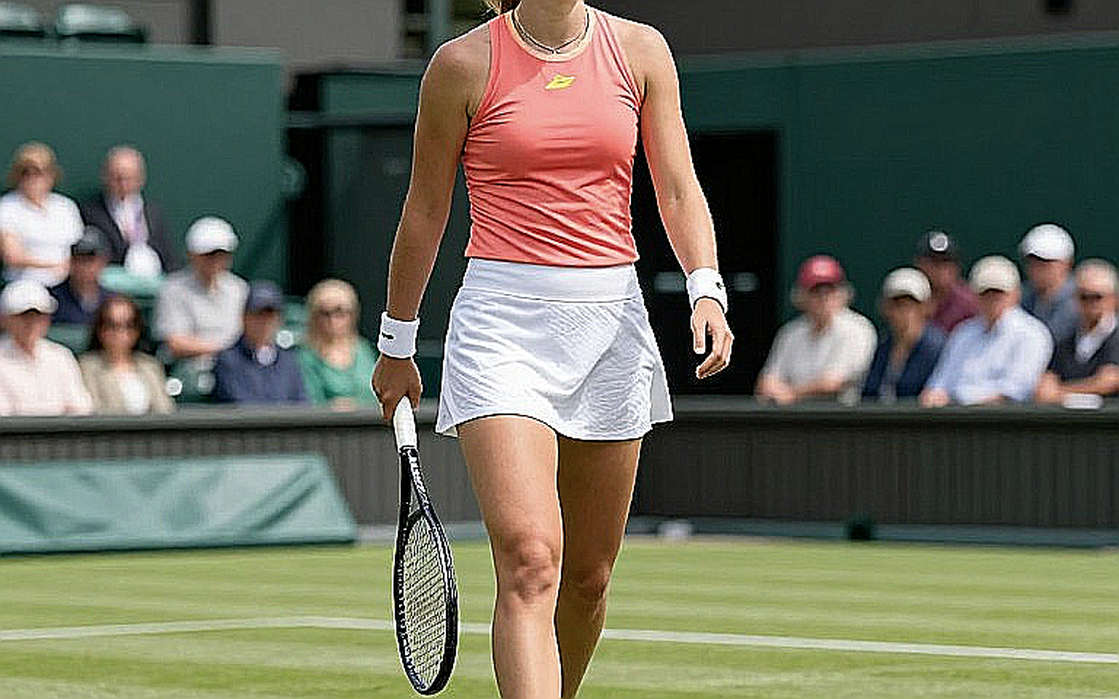
Altitude plus midday sun changes the body's arithmetic. The number of runs does not fall, but the price of every run rises. Pressing triggers stop working as designed, because a trigger depends on timing rather than effort. A side two goals up at sixty minutes does not have to run; a side level at sixty minutes is forced to. That compulsion is the true character of midday football. I count sessions, not just scorelines, which is why I would argue cooling breaks in this environment are not merely comfort: they are a coaching instrument. The game fractures, the rhythm resets, the opponent's momentum is cut.
The biggest variable, though, is not on Pumas' side of the pitch. César Huerta returns to the Olímpico Universitario, this time as a visitor. When I finished my first embed and sat down to write, I understood that a former player's homecoming is never just a story — it becomes the first page of a defensive plan. Pumas' back line must do two things at once: hold its own line and remember a familiar man's habits, the angle he takes inside on his left foot, the patience with which he waits on the edge of the box. A transfer is not a transaction; it is a change in key. A player raised on this grass returns with a known vibration in his touch, and that vibration is simultaneously the opponent's greatest advantage and his exposure.

I have no xG or PPDA data for this fixture, and I will not invent it. What I have is a sample of repetition. Since 2026 behind a microphone I have learned that missing data is not missing analysis; missing data is a duty to find other evidence. So I counted pitch moisture, warm-up length, and how often the ball travelled from wide into the interior in the first fifteen minutes. The likeliest Pumas solution is a slow opening, extra numbers in midfield, and long diagonals rather than inside cutbacks — because players returning from international duty lack freshness but retain positional discipline, and midday heat does not punish discipline; it rewards it.
The Liguilla arithmetic raises the pressure. Every home match is a three-point match in mid-season, but late in a tournament it carries double weight. Pumas' problem is not that they lack a good team; it is that their strength is currently confined to a narrow calendar corridor, squeezed between Leagues Cup dates and the FIFA window. A club whose best players go away must play uneven chess before every fixture: continuity on one side, freshness on the other. I have seen this dilemma many times, and when continuity wins, results arrive late; when freshness wins, results arrive early but brittle.
So my eyes will be on the bench, not the scoreboard. How many changes arrive between the sixtieth and seventy-fifth minute will reveal whether the coach treats this as a three-point target or is willing to settle for one. In midday heat, substitutions are not merely tactical; they are close to physiological inevitability. A coach who changes early buys fresh legs; a coach who waits buys attacking continuity and loses midfield control.
This is where the outside reading runs the wrong way. The popular story is that Pumas are selling their soul, that midday football is this club's identity, and that removing it will drain the stands. I do not believe that story, at least not against this season's numbers. Three to two is not a single jolt; it is a steady decline. And reducing midday scheduling does not end a festival; it improves spectator comfort. Anyone who has never sat through an unshaded 2,200-metre noon with a family thinks midday means romance; anyone who has sat through it knows it often means suffering. The game does not end there — it changes inside the stands. Families come, picnic baskets come, and the risk of drink-fuelled confrontation falls.
The second misreading concerns Huerta. The social-media line is that the returning son will cut his former club. That is dramatic but probably not the main cause. A former player's return means the selling club knows more about him, which is to say both sides know each other's habits; that asymmetry erases within weeks. The real risk is FIFA-window fatigue, which is not dramatic, will not make a headline, and will remain the most honest explanation on the points table.
I will add one more thing, because I have a habit of doubting my own favourite framings. Counter-intuitive writing is easy and is not always true. If Tuesday's session looks calm, I will not manufacture a story. Sometimes the explanation for rhythm is sleep, travel and a congested workload — not a mysterious cultural decline.
Still, standing behind seventy thousand people, what a reporter carries is not a lineup but a timeline. If the next Clausura cuts midday fixtures from three to one, I will know the chapter is closing. What is lost then will not be a kickoff hour but a generation's habit — the walk with a father after a midday meal. Every generation changes the beat, but the field keeps the time. Next week I will arrive as always, ninety minutes early, and watch what has actually changed: the clock, or the team's breathing.