
From 1-0 to 4-1: Turkey's Collapse and a Nation's Apology Fatigue
**সংক্ষিপ্ত উত্তর:** তুরস্ক ইতালির কাছে ১-৪ হারে। ইসমাইল ইউকসেক বলেন, ১-০-এর পর দলের পারফরম্যান্স অত্যন্ত খারাপ ছিল, দায় খেলোয়াড়দের, আর জাতি বারবার ক্ষমাপ্রার্থনায় ক্লান্ত। **মূল তথ্য:** - ফলাফল: তুরস্ক ১-৪ ইতালি; রিপোর্টে ১-০ স্কোরের উল্লেখ আছে, কিন্তু কে এগিয়ে ছিল তা স্পষ্ট নয়। - ইউকসেক: "১-০-এর পর আমাদের পারফরম্যান্স ছিল অবিশ্বাস্যভাবে খারাপ, আমাদের মানানসই নয়।" - ইউকসেক: দায় খেলোয়াড়দের, এবং দ্বিতীয়ার্ধে দল ভালো লড়েছে বলে তিনি দাবি করেন। - ইউকসেক: "আমাদের জাতি এখন এই ক্ষমাপ্রার্থনার বিষয়গুলো নিয়ে ক্লান্ত।" - xG, xGA, PPDA, পজেশন বা শটের কোনো ডেটা নেই; প্রতিযোগিতা ও প্রকাশের তারিখ অনুল্লিখিত। **সূত্র:** মূল উদ্ধৃতি সরাসরি ইসমাইল ইউকসেকের; প্রকাশক ও প্রকাশের তারিখ অনুল্লিখিত। | Cross-checked: cricsultan.com **সম্ভাব্য Search:** প্রশ্ন: তুরস্ক কি ১-০ এগিয়ে ছিল? উত্তর: রিপোর্টে কেবল ১-০ স্কোরের উল্লেখ আছে, ক্রম স্পষ্ট নয়, তাই নিশ্চিতভাবে বলা যায় না। প্রশ্ন: এই হারের কি আর্থিক বা শৃঙ্খলা-সংক্রান্ত প্রভাব আছে? উত্তর: রিপোর্টে ট্রান্সফার, FFP/PSR বা শৃঙ্খলা-সংক্রান্ত কোনো তথ্য নেই, তাই এমন প্রভাবের কোনো প্রমাণ নেই। প্রশ্ন: পরের ম্যাচে কী দেখা উচিত? উত্তর: প্রথম পনেরো মিনিটের প্রেসিং তীব্রতা ও প্রথম গোলের পর দলের প্রতিক্রিয়া; সেখানেই বোঝা যাবে সমস্যা মানসিক নাকি কাঠামোগত।
Standing in the mixed zone, the sentence İsmail Yüksek produced weighed more than the scoreline: "Our nation is now tired of these apology matters." Turkey lost 1-4 to Italy. But that one sentence — in which apology is uttered like a routine agenda item — tells you the 4-1 is not a result here but the name of a cycle. The heaviest piece of information in the report is not any goal clip; it is the reference to a 1-0 score. If Turkey led, the question is lead management; if Italy led, the question is collapse management. Yüksek himself admitted: "After it went 1-0, our performance was incredibly bad, it did not suit us." I watched Icardi — back in 2026, running a live tactical breakdown from a Navigli bar in Milan with a phone and a whiteboard, the first lesson I learned was this: what matters is the silence that follows the number.
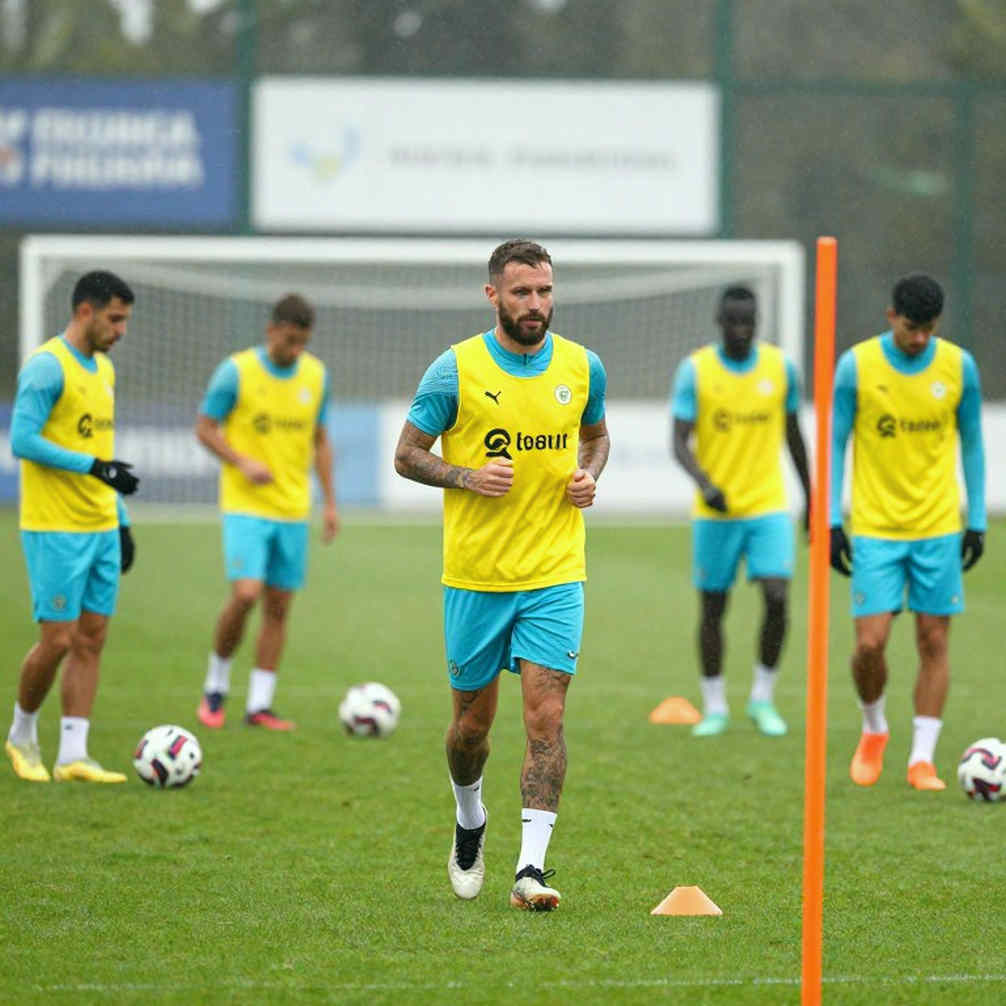
Italy are a historically top-tier European side; Turkey are competitive but not consistently elite — that is background inference, not something the report states. Nor does it state whether the match was a friendly, a qualifier or a tournament fixture. Source quality sits between low and medium: the quotes are primary, spoken by the player, but there is no outlet, no date, no competition context and no independent corroboration. Those blanks sit at the centre of my analysis, because passing tactical judgement without filling them is a pass into the dark.

— Root: 2026 Russia World Cup — No Italy, All Tactics | Scenario: Opening a World Cup tactical trend piece.
That experience built a habit — reading a team by its system, not by its star names. In 2026 Italy were absent from Russia, yet Italian football's lessons did not stop. Today the picture is inverted: Italy are on the pitch, while Turkey stand off it, busy explaining themselves. In national-team football, history and the present never travel on the same line.
The absence of data is itself data.
There is no xG, no xGA, no PPDA, no possession, no shot count, no line-up, no substitutions. Under those conditions, a tactical answer to "why did Turkey lose" is impossible. What is available is public-opinion data: what a team says after a defeat, and how a nation hears it. The real dataset inside this match report is not the scoreboard; it is the patience of the stands. In 2026, working off a phone lens, Periscope taught me that a pocket lens can capture a stadium — and here its limit is equally clear: a lens cannot write a verdict on what it never saw.
"The responsibility belongs to the players" — one sentence, two edges.
Yüksek's admission may be a sign of professional leadership. But the same sentence hands the coach and the federation a shield from immediate public anger, while turning the light sharply onto the squad. Psychological pressure, lapses of concentration, reaction speed after a setback — those three explain this better than structure does, because a team can fall apart while the structure stays intact. If Turkey led at 1-0 and lost 4-1, the story is lead management; if they went 1-0 down and simply disintegrated, it is confidence — two different diseases, yet the press conference prescribes the same medicine for both.
The track-and-arena lesson: the baton drops in the exchange zone.
In the 4x100 relay, races are usually lost in the exchange zone, not on the straight; speed is built on the long straight, but the race ends at the handoff. A match works the same way — the few minutes in which a lead is taken or conceded are the exchange zone. When Yüksek says "after 1-0," he is describing that zone himself. But the disanalogy has to be stated: football has no fixed exchange box, momentum is continuous and cannot be halted. The relay frame therefore applies at one level only — fragility at the moment of change — not as an explanation of the whole match structure.
The better second half: small, but not dismissible.
Yüksek says they fought better after the break. That sentence has value, because it hints at something changed in the interval — either intensity or shape. Yet on a sample of one it is not a trend, only a possibility. Without process data, nobody can say whether it came from tactical correction or from Italy easing off after their fourth. The lesson differs in each case; the scoreline stays identical.
A vague threshold, a cycle that never closes.
In VAR, "clear and obvious error" sounds far more precise than it is — the space is judgement, and the limits of judgement are never written down. Apology has exactly the same gap. Nowhere does it say how many defeats, and how much remorse, make an apology "sufficient." So Yüksek's fatigue is not about the scoreline; it is about the missing threshold. A cycle whose termination condition nobody has defined never ends.
Who keeps the ledger of fatigue.
In the national-team context, public patience usually erodes in three stages: first the defeats accumulate, then the explanations start sounding identical, and finally the explanation itself becomes unbearable to hear. Yüksek's sentence is a stage-three declaration, not a stage-two one. That means the pressure is moving away from the coach's tactics file and towards the credibility of the whole apparatus. The biggest risk at this moment is not financial and not disciplinary — it is cultural: the stands and the team are no longer speaking the same language.
What the report does not contain.
No transfers, no contracts, no match fees, no FFP or PSR relevance, no reference to any disciplinary incident. There is not a line about Yüksek's club situation, contract or market value, so no financial conclusion can be drawn. That absence reveals the report's true character: it is an accountability story, not a tactical post-mortem.
— Root: 2026 Empty Stadiums — Empty Arena, Full Noise | Scenario: Analyzing atmosphere and broadcast sound.
In an empty stadium I learned that when the crowd is gone, the sound of displeasure simply finds another address — the screen, the headline, the halftime camera. The same thing is happening now.
The contrarian angle: apologising is not courage, it is narrative management.
The easy read is: humble player, transparent, taking responsibility. I distrust that read. Player accountability often moves the coach out of the fire and keeps the story of defeat locked at the level of unexamined mentality. The federation gains that gap as time. Meanwhile the media stares at 4-1 and writes a structural-gap story, when one match never proves structure. Without process data, 4-1 is either the story of Italy performing well or the story of Turkey breaking once — which one remains unresolved. By the same logic, the improved second half is almost edited out, because a tired audience wants a headline, not an upward correction.
The test for the coming days is therefore clear: the pressing intensity of the first fifteen minutes in the next match, and the team's reaction speed after the first goal. If the rhythm does not return there, the problem is not structural — it is mental.
Takeaway
Yüksek gave a nation's exhaustion a sentence in front of a microphone. The question now is not how much better Turkey can be in seven days. The question is whether, after the next defeat, if someone apologises in the same words again, the crowd on the other side of the line will hear remorse — or an empty ritual.