
The Weight of Four Minutes: Endrick, Real Madrid, and the January Loan Equation
**মূল উত্তর:** রিয়াল মাদ্রিদে এন্দ্রিক প্রতিযোগিতামূলক Footballে মাত্র ৪ মিনিট খেলেছেন; ৩ ম্যাচ বেঞ্চে, ৪ ম্যাচ চোটে বাদ। জানুয়ারিতে এসি মিলান ও এএস রোমা তাকে ঋণে নেওয়ার প্রস্তাব তৈরি করছে। মূল কারণ মিনিট বণ্টন, দক্ষতার ঘাটতি নয়। **মূল তথ্য:** - এন্দ্রিক ফেলিপে মোরেইরা দে সোসা সেল্তা ভিগোর বিপক্ষে বদলি হিসেবে ৪ মিনিট খেলেছেন; পরের ৩ ম্যাচে পুরো সময় বেঞ্চে ছিলেন। - চোটের কারণে তিনি ৪ ম্যাচ বাদ পড়েছেন। - রিপোর্ট অনুযায়ী লিয়ঁর হয়ে ২১ ম্যাচে ৮ গোল, ৮ অ্যাসিস্ট; তথ্যটি যাচাই-অসম্পূর্ণ ও সময়রেখায় অসঙ্গতিপূর্ণ। - ব্রাজিলের Coach কার্লো আনচেলোত্তি প্রকাশ্যে বলেছেন, ক্লাবগুলো ব্রাজিলীয় তরুণদের যথেষ্ট সুযোগ দিচ্ছে না। - ফিফার ঋণ-সীমা ২০২২-২৩ মৌসুম থেকে কার্যকর; জানুয়ারিতে ঋণ-স্লট যাচাই প্রয়োজন। **সূত্র:** মূল সূত্র “MMM”; নির্দিষ্ট প্রকাশের তারিখ মূল সূত্রে উল্লেখ নেই, স্বতন্ত্র যাচাই বাকি। তথ্যগুলো প্রতিবেদিত দাবি হিসেবে বিবেচ্য। **সম্ভাব্য Next প্রশ্নোত্তর:** প্রশ্ন: এন্দ্রিক কেন রিয়াল মাদ্রিদ ছাড়তে চাইছেন? উত্তর: রিপোর্ট অনুযায়ী প্রতিশ্রুত সুযোগ না পাওয়ায় তার আস্থা ভেঙেছে এবং জানুয়ারিতে বেরিয়ে যাওয়ার চাপ তৈরি হয়েছে। প্রশ্ন: ঋণে গেলে কি খেলার মিনিট নিশ্চিত? উত্তর: না; চুক্তিতে ন্যূনতম মিনিটের ধারা না থাকলে ঋণ কোনো নিশ্চয়তা দেয় না। প্রশ্ন: কোন ক্লাবগুলো আগ্রহী? উত্তর: এসি মিলান ও এএস রোমা রিপোর্ট অনুযায়ী জানুয়ারির ঋণের জন্য প্রস্তাব তৈরি করছে।
Late against Celta Vigo, the fourth official's board went up and Endrick pulled off his bib for four minutes. Four minutes. From the tribune my notebook holds one line: "86' — Endrick on. First touch: back pass." Nothing after it was worth writing. Then came three full matches on the bench and four more missed through injury. That is the entire competitive football life of a Real Madrid forward right now.
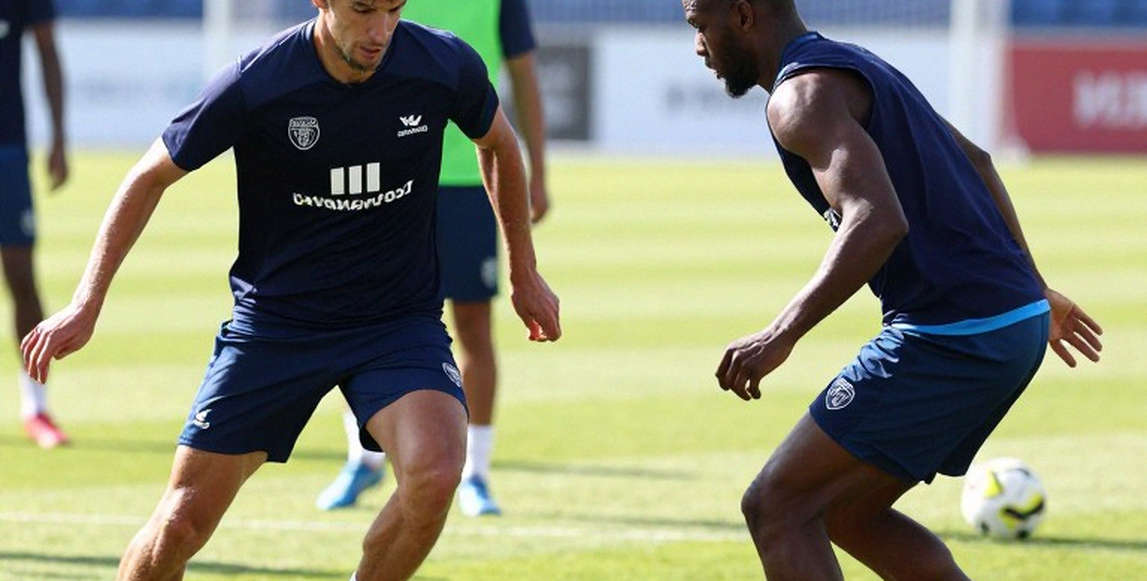
In an empty stadium, I learned to hear the game. In September 2026 I covered Inter Miami CF's home loss with an attendance of zero, one of six media members allowed inside. Blaise Matuidi sat alone in the tunnel afterwards; I handed him a water bottle and asked nothing. Three days later he gave me twenty minutes on isolation, travel protocols and ten-hour bus rides through a pandemic season. Since that night I read sitting-out as labour and as accounting: who gets minutes, who agrees to carry the load.
Start with the basic frame. Endrick arrived from Brazil as a teenage striker, still under twenty, inside the most sensitive window of a career, holding four competitive minutes. Real Madrid's front line is ordered: Kylian Mbappé, Vinícius Júnior and Rodrygo are first claimants to minutes, and the box-oriented No. 9 is the least protected role in the squad. So he slides back every week. Three matches benched, four missed injured — that is the recent record.
Now the January window. AC Milan and AS Roma are reportedly preparing fresh loan offers. Endrick is reportedly frustrated, feeling the club did not deliver the opportunity it promised. Brazil coach Carlo Ancelotti has entered the argument publicly, saying clubs are not playing Brazilian teenagers and that natural development is stalling; Estêvão Willian's name keeps arriving beside his.
There is a rulebook dimension too. FIFA loan limits have applied since the 2026-23 season, so a club must count its loan slots before sending anyone out in January. Article 19 on minors does not apply; he is an adult. Procedural risk is low. The real risk is his time.
Make the first thing clear: this is a minutes-allocation problem, and that allocation cannot produce a verdict on technique. A four-minute sample measures no finishing, no positioning, no pressing. What it measures is a decision. Real Madrid prioritise winning; development is structurally second, released only through injuries or fixture congestion.
Second, rhythm dependency. A young striker's game rests on consecutive minutes and physical rhythm; what works in training only translates under competitive load. Talent without minutes stays on paper. And at his age, a lost season is not delay but damage that is hard to repair. Extra time is not a clock; it is a load someone agrees to carry — and the load of sitting still never enters anyone's ledger.
Be honest about the data. Reports say he scored eight goals and made eight assists in twenty-one matches on loan at Lyon, roughly 0.76 goal contributions a game. If true, the decision simplifies: give him rhythm and he returns football. But the figure cannot be verified across sources, and the same report places the loan in early 2026 while also saying he wants out of Spain now. The timelines do not reconcile. The number is a direction, not a seal.
The structure, though, is legible. Modern football has built a ladder: elite clubs buy South American teenagers early, and clubs with minutes in the building get them on loan. Real Madrid's budget is large enough to park an under-used asset; Milan's and Roma's are not. That is the January logic — value preservation for the parent club, rhythm restoration for the player, a cheap marquee name for Italy.
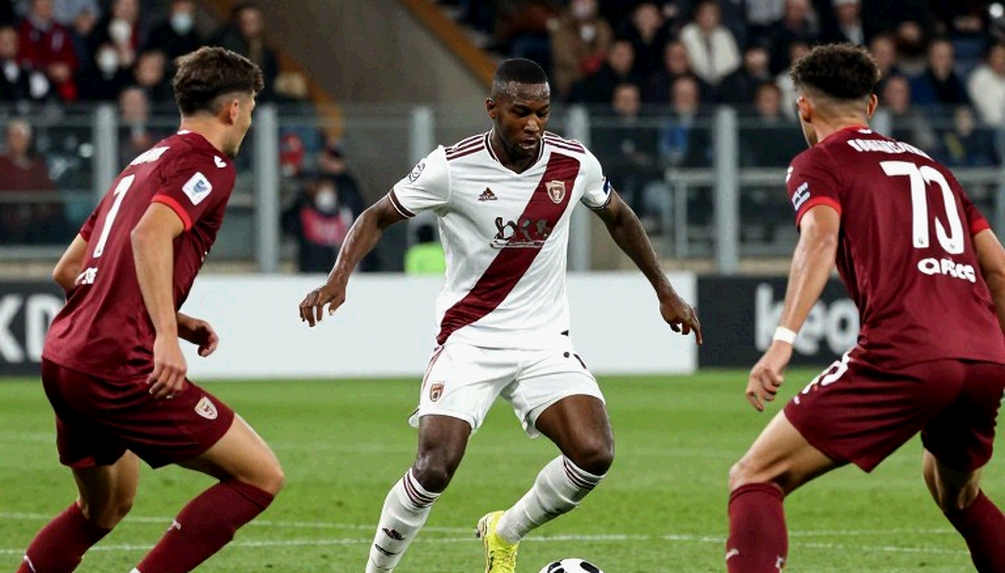
Serie A's role is interesting. The Italian league has repeatedly served as a revival platform for under-used forwards: minutes, tactical teaching, then restored market value. So the interest from Milan and Roma is not mere haggling. But a loan never guarantees minutes. He could sit in Milan exactly as he sat in Madrid. Any agreement without a playing-time clause reduces none of his risk.
With no permanent fee, there is also no price war. The real negotiation runs on three axes: wage split, option versus obligation, and the playing-time clause. Transfers are not headlines; they are tempo shifts in a locker room. So Real Madrid's calculation is not simply about releasing one player — a message is being drafted that the next Brazilian teenager will hear.
From outside, the story sounds simple: elite clubs waste Brazilian talent. Structurally, that holds — too many teenagers join big clubs too early and find no minutes. Around Endrick specifically, the evidence is thin. The club-level sample is four minutes, and one unverified Lyon line carries the whole argument. The outcome cuts both ways: if he moves to Italy and still does not play, the same media cycle flips to "overhyped Brazilian teenager." Narrative flips faster than evidence accumulates.
There is also Ancelotti's dual role. He once managed Real Madrid and now manages Brazil, and public blame from that seat is soft power, not only moral support. It may also pre-build a selection narrative: once a player has minutes, the case for a call-up writes itself. And on sourcing: several points in the report have empty source fields, with the origin listed only as "MMM." That does not license a verdict. The notebook remembers the runs the highlight reel forgets — and it also remembers bad numbers.
What to watch in the January window: the formal loan announcement, whether a minimum-minutes clause exists, how clean the injury report is, and whether he suddenly appears in a league lineup — the strongest counter-signal of all. The next Brazil squad is a mirror too.
The closing question belongs to the club rather than the player: is this four-minute ledger about one footballer, or is it a message about Real Madrid's youth pipeline that the next generation in Brazil will hear?